
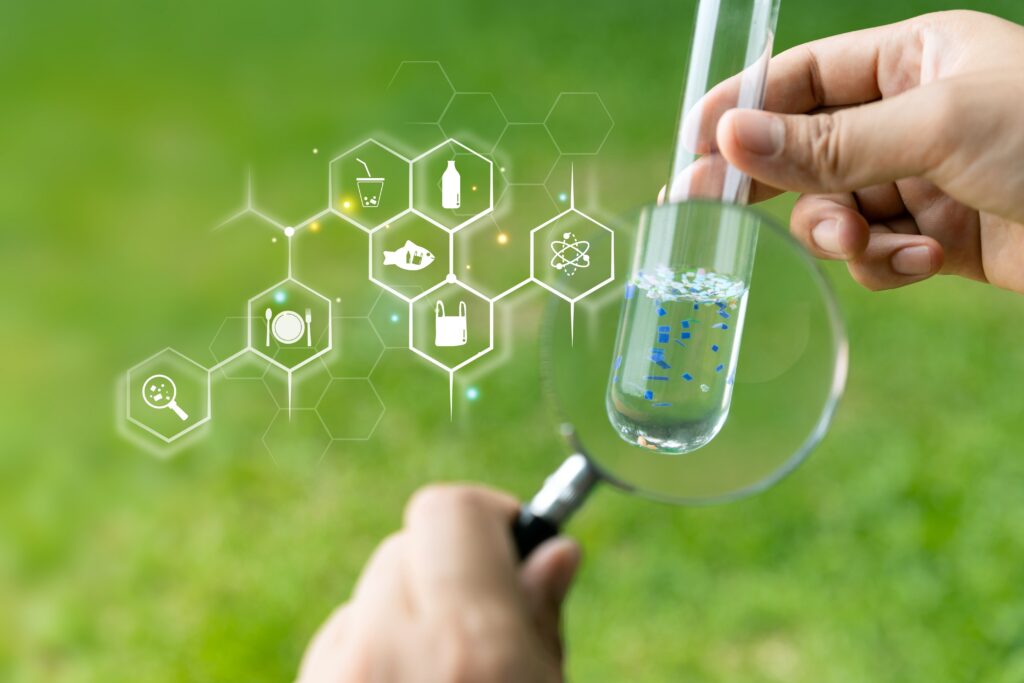
• Microplastics can enter drinking water as larger plastic items and synthetic materials break down.
• Their full health effects are still being studied, so practical exposure reduction is a reasonable precaution.
• Properly selected filtration and routine water testing can help families make informed water quality decisions.
Microplastics are tiny plastic particles that may be present in tap water, bottled water, and private well sources. They can enter water through plastic waste, stormwater runoff, wastewater, synthetic fibers, and the gradual breakdown of larger materials. Because these particles are often too small to see, clear water does not always tell the full story.
What Do Microplastics Mean for Your Family?
Researchers continue to study how microplastics affect human health. While the exact long-term risks are not yet fully understood, many families want to reduce unnecessary exposure and feel more confident about the water they use for drinking and cooking.
How to Reduce Microplastics in Water
Learning how to avoid microplastics in water starts with practical habits. Use reusable glass or stainless steel bottles, avoid storing bottled water in hot locations, and reduce single-use plastic when possible.
Professional water filtration may help reduce small particles and address other water quality concerns. Reverse osmosis and fine membrane systems may be useful, but the right solution depends on your water source, household needs, and system maintenance.
Find the Right Drinking Water Solution
At Adams Water Conditioning, our team helps Ocala area homeowners explore drinking water solutions based on their specific concerns. Since every case of problem water is different, schedule a free water analysis to learn more about your water and discuss filtration options designed for your home.
Image credit: // Shutterstock // Thx4Stock team